
11th International Youth Salon and Training Camp for Mongolian Students in China Held in Beijing
The 11th International Youth Salon and Training Camp for Mongolian Students in China was held in Beijing on Sept 28.
The event was hosted by the China International Youth Exchange Center and organized by the Beijing International Youth Institute. Focusing on mutual learning among civilizations for shared prosperity, the event featured diverse activities including intangible cultural heritage (ICH) experience, traditional food making, and field visits to enterprises. More than 20 Mongolian students from Beijing Institute of Technology, Minzu University of China (MUC), University of Science and Technology Beijing (USTB), Beijing Forestry University, and Beijing Jiaotong University participated in the event.
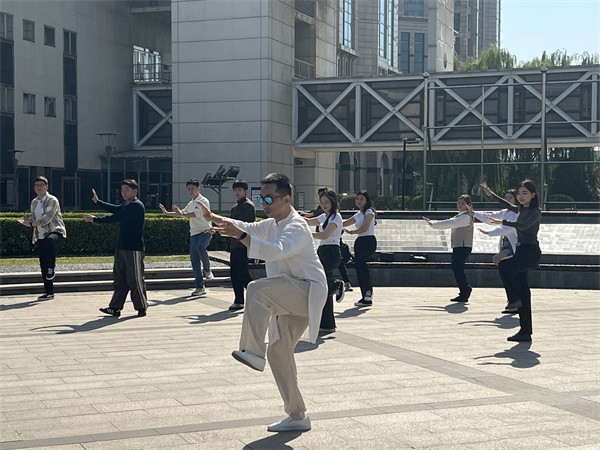
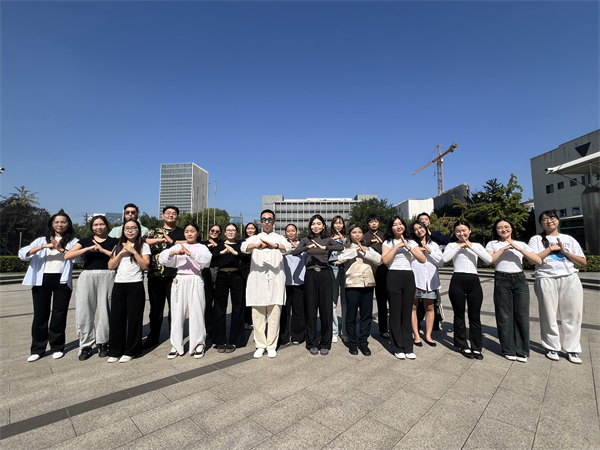
During the ICH experience session, the Mongolian students learned about tai chi and movable-type printing. Under the guidance of a tai chi inheritor, they practiced movements embodying "stillness in motion", gaining insights into the Chinese philosophy of harmony between body and mind, and unity between humanity and nature.
Otgontsetseg Tuyatsetseg, a student from MUC said tai chi is not only a martial art, but also a way to cultivate both body and mind.
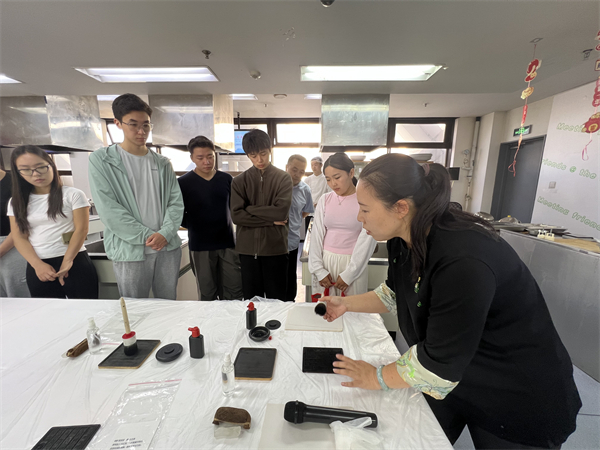
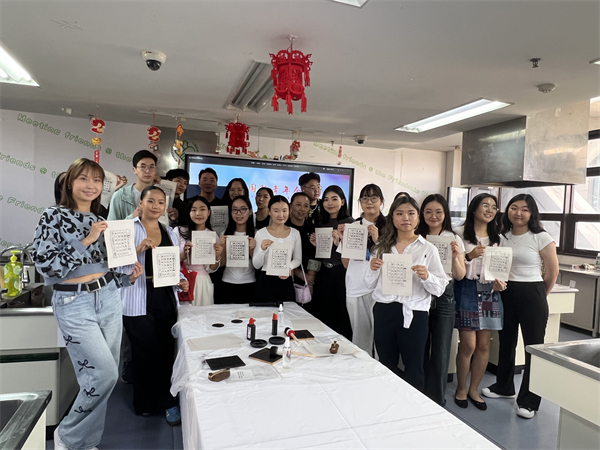
The Mongolian students also listened to the history of movable-type printing presented by a national-level inheritor. The students had hands-on experience of printing a poem, gaining an understanding of the ingenuity and dedication behind the art. Printing technology embodies timeless wisdom and showcases the continuity of human creativity, said Sarangoo Erdenebaatar, another student from MUC.
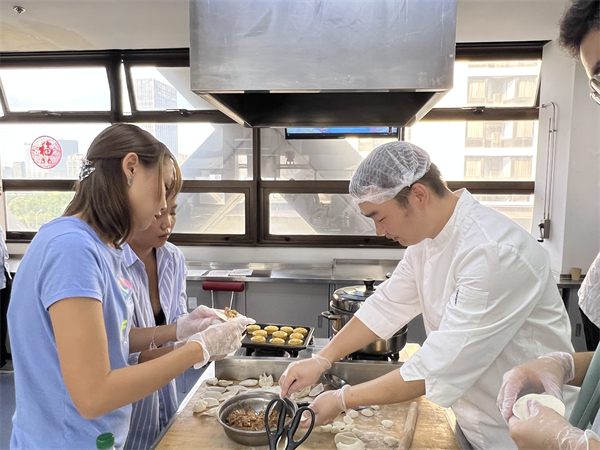
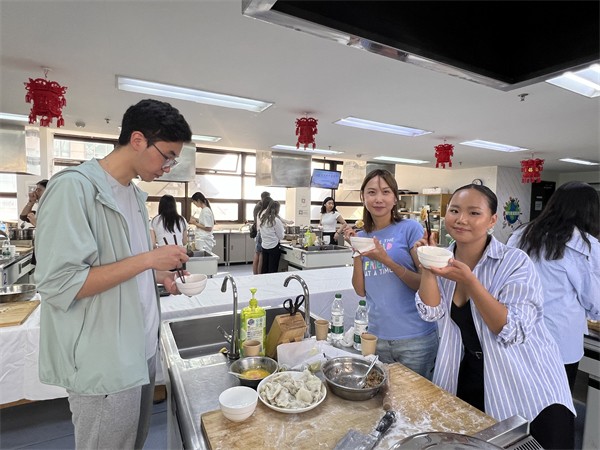
In the culinary workshop, the Mongolian students learned to make dumplings and mooncakes under the guidance of chefs. Some also made Mongolian steamed dumplings, which, when placed alongside the Chinese dumplings, reflected the concept of "beauty in diversity".
Making mooncake was a new and fascinating experience for the Mongolian participants. They not only knew more about the cultural meaning of mooncake, but also, in turn, shared traditional Mongolian dishes made for family gatherings. Gantumur Jambazundui, a student from the USTB, said that food embodies the shared cultural essence of the two Eastern civilizations: "Whether it's mooncakes for the Mid-Autumn Festival or the round pastries prepared for Mongolian New Year celebrations, both are round in shape, which symbolizes reunion."
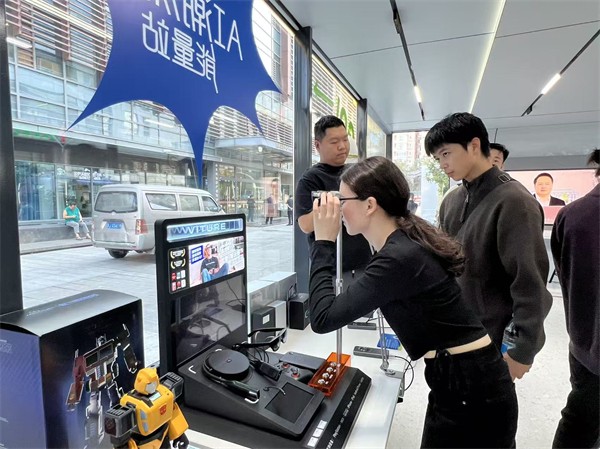
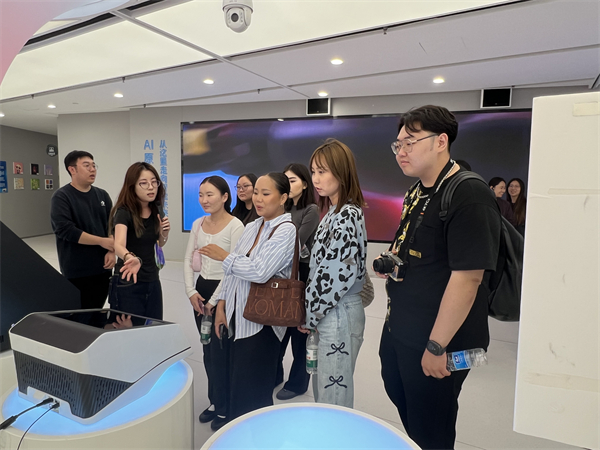
The Mongolian students also visited the AI Origin Community in the Haidian district to learn about China's latest advances in artificial intelligence and its applications across culture, education, healthcare, and entertainment. Sarnai Chimedochir from the USTB said she was particularly impressed by AI's potential in cultural relic restoration and creative design, expressing her hope to seeing more innovations that combine technology with cultural heritage preservation.